Bison Reintroduction in Coahuila after 200 years of extinction
Cuatrociénegas, Coahuila, Mexico
PROJECT CONTEXT
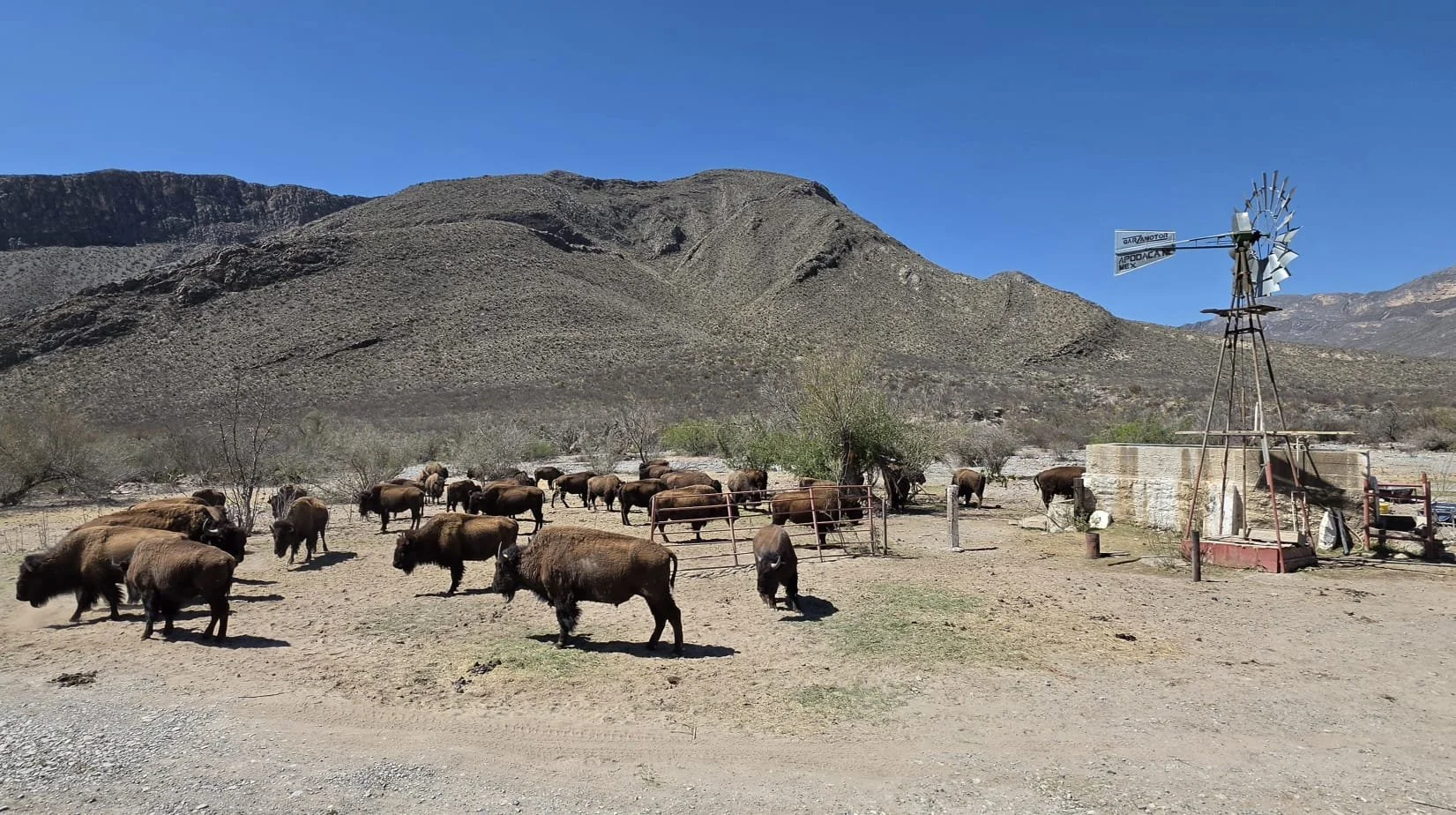
For thousands of years, the largest animal on the continent managed the largest watershed on the continent. There were 30 million bison covering 3,000 miles from Canada to Coahuila. In 2026, an estimated 2,000 bison roam Mexico on private land. Now, the Mexican nonprofit Pro Cuatrociénegas is taking on the responsibility of bringing bison back to the region, starting with a founding donation of 47 animals and half of them pregnant.
Pro Cuatrociénegas is bringing bison back to restore what they give: ecological function and biodiversity, aquifer recharge to protect Cuatrociénegas' rare wetlands, and the biocultural heritage of northern native nations. The herd is also a living classroom for students and travelers, as this is the first national project of its kind. A foundation for regional food sovereignty, and a model for a regenerative bison economy in northern Mexico.
El Santuario is home to a numerous set of special species -puma, black bear, mule deer, white-tailed deer, barbel, coyote, desert fox, ringtail, skunk, peccary, rabbit, great horned owl, red-tailed hawk and many other bird species.
PROJECT TASK
The task is to look at 9,000 acres holistically: managing the bison to graze the sparse native grasses that exist today while establishing new grasses as the herd rotates. Water is the limiting factor - as it is across the region - where every well draws from the same water table that sustains Cuatrociénegas' endemic species. From the beginning, our good friends at the Regrarians have helped with site assessment and game planning for vegetation management, access, fencing, and the geographic constraints of the valley.
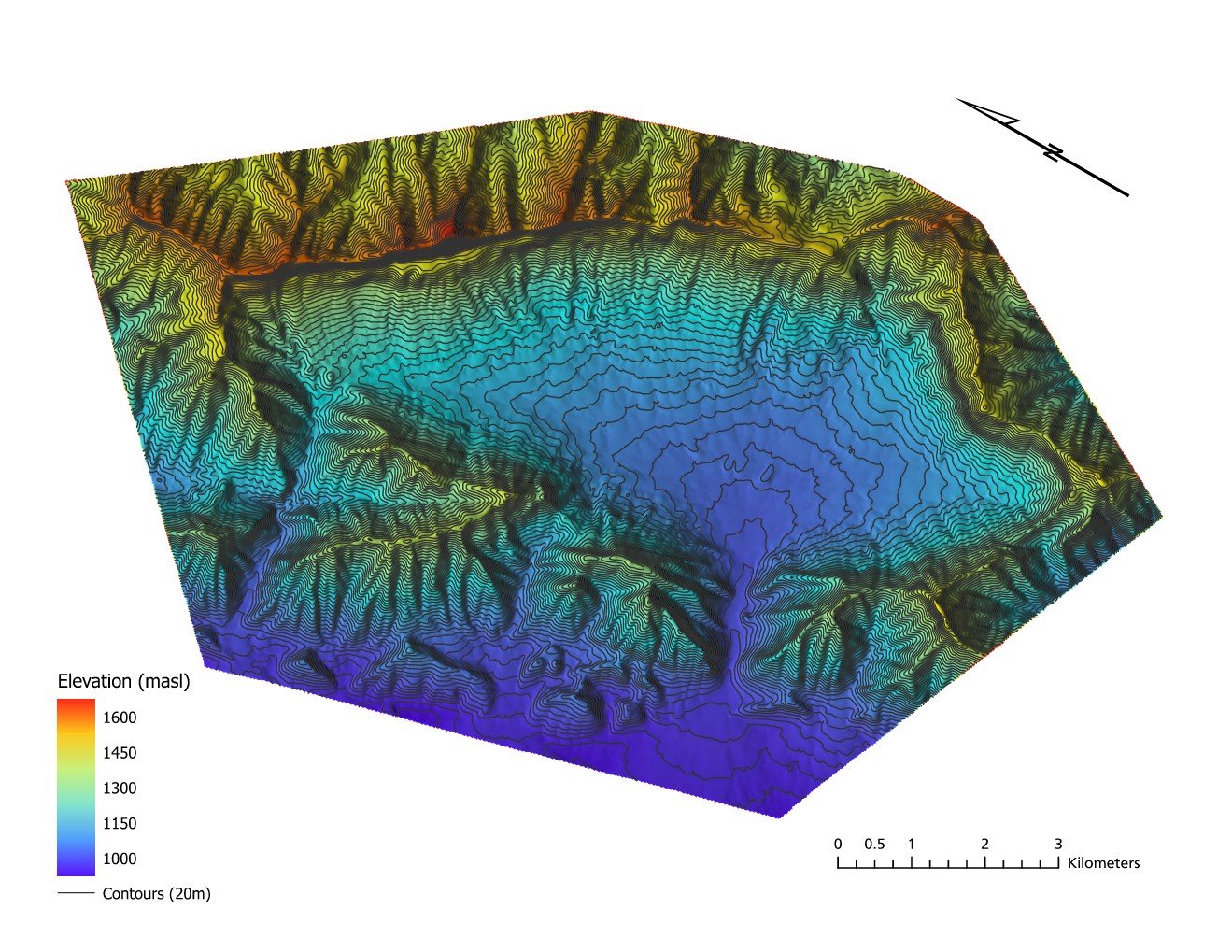
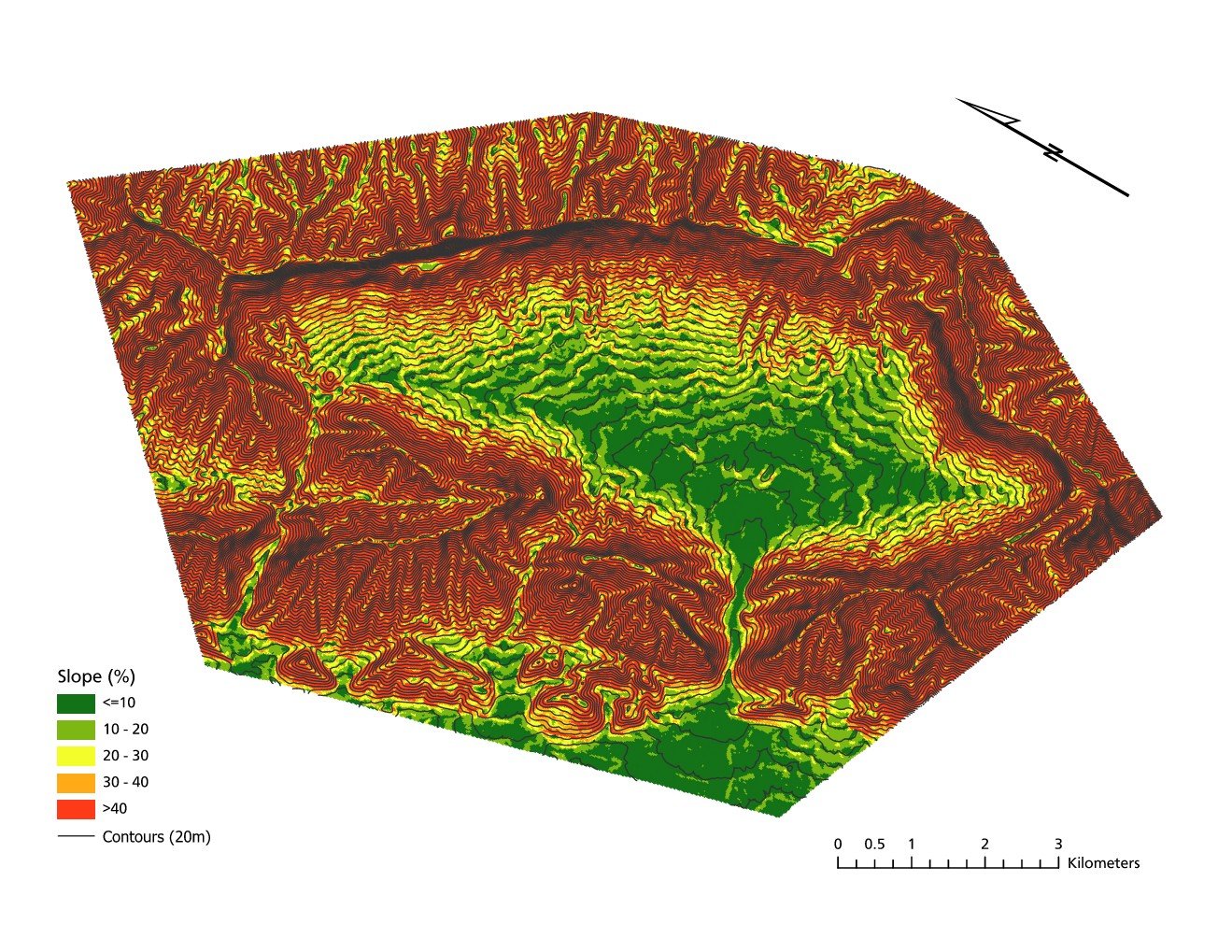
The site itself is unique and challenging. It is essentially a watershed valley that drains through a single opening, framed by massive mountain ridges that act as natural fencing for large mammals like bison. The elevation map highlights the topography and where existing infrastructure sits - troughs, springs, wells - along with targeted high and low points. The slope intensity map shows in greenish-yellow the areas where bison can actually access, which are our target zones for returning native grasslands.
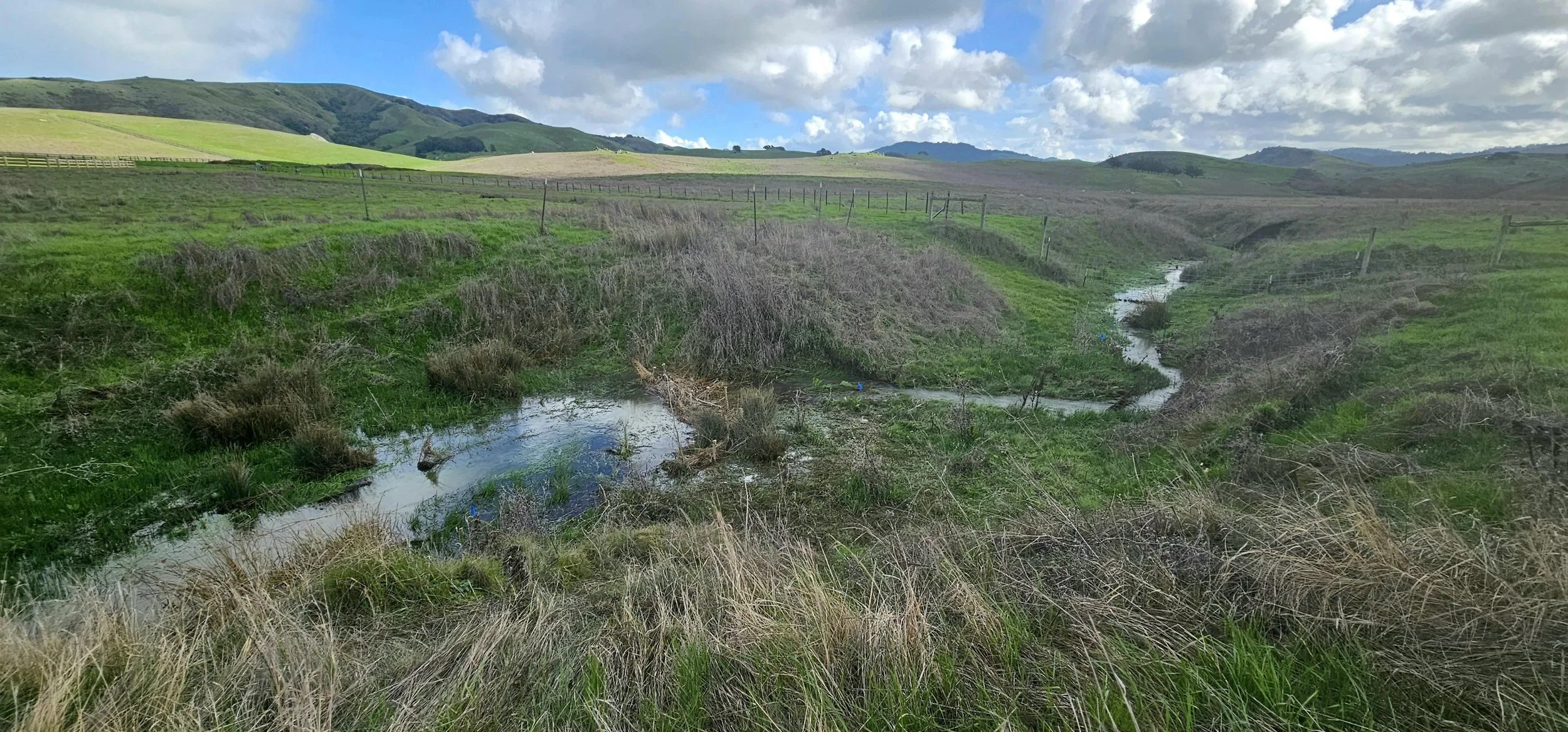
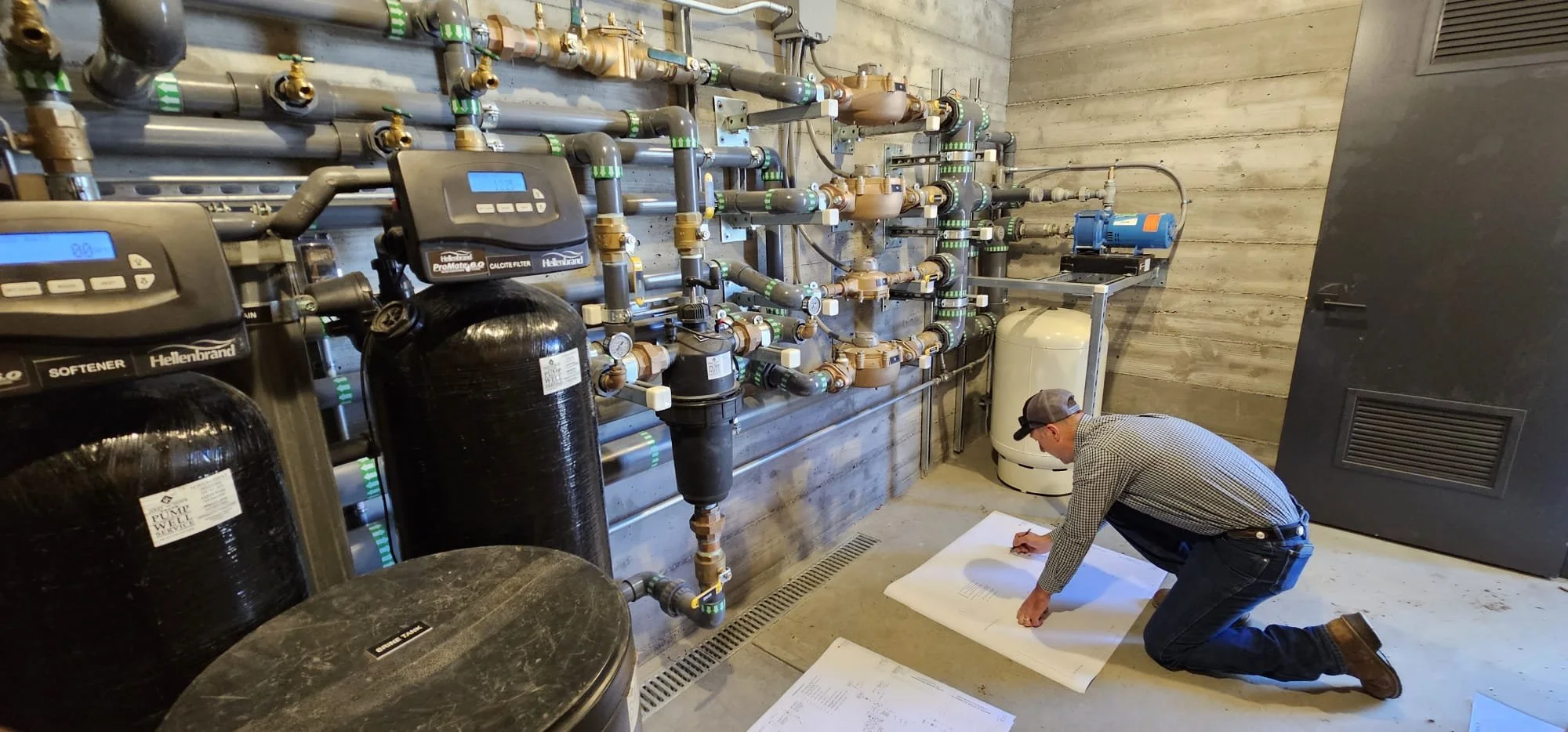
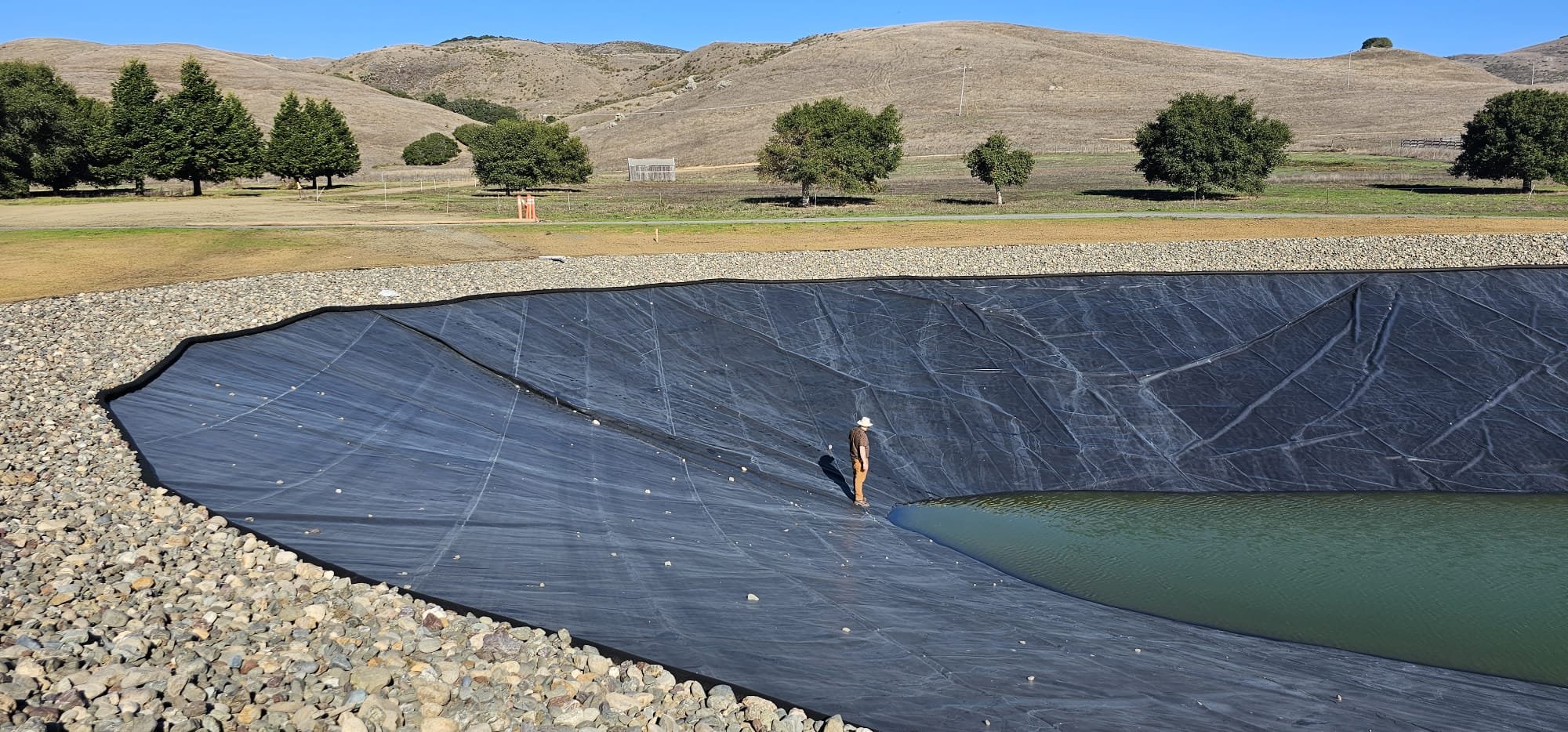
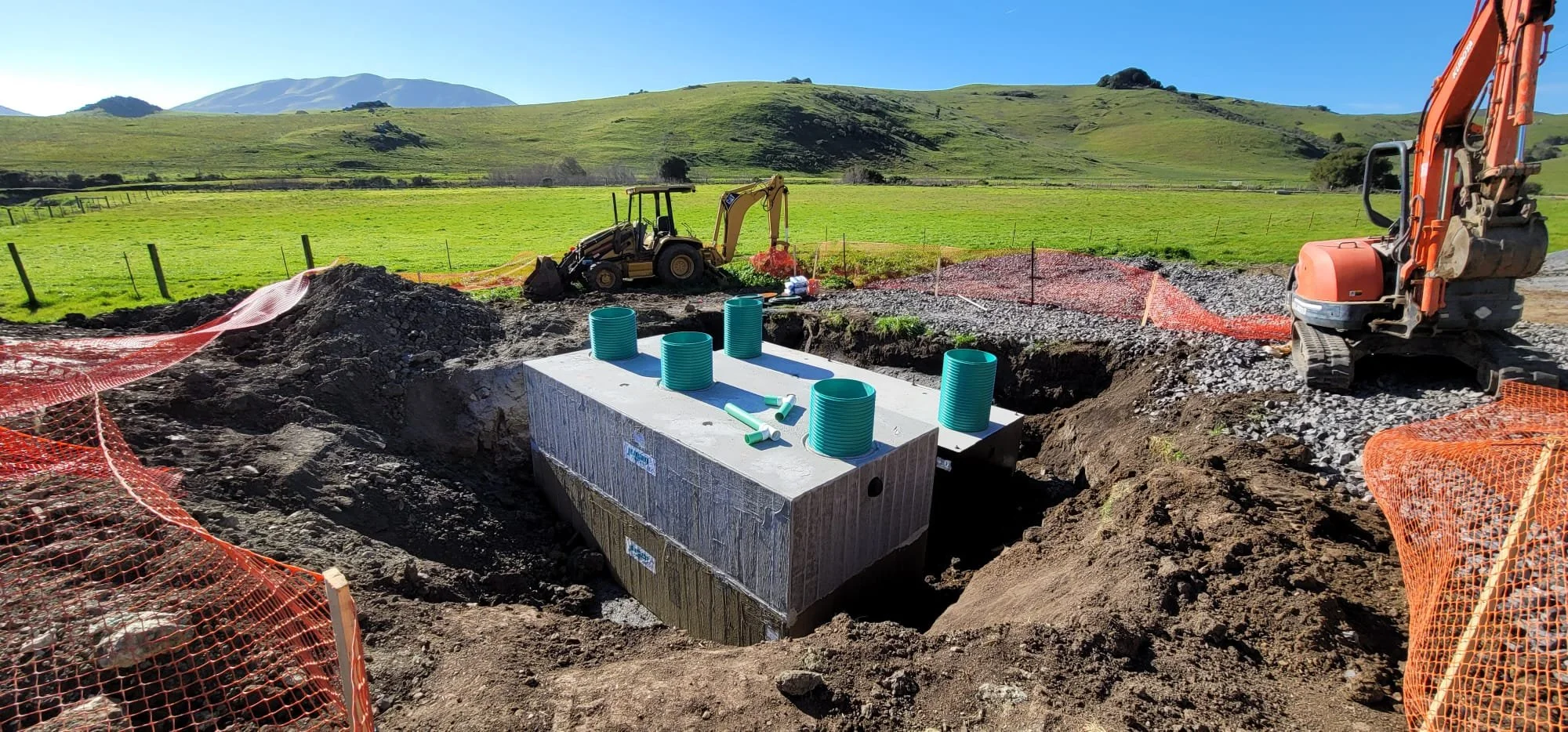
What these base maps don't show is the story of erosion on site. Large gullies and rock fields make major earthworks almost impossible. Watershed Artisans confirmed as much - that at this scale, earthworks to store or manipulate stormwater would not be financially viable and would require continual maintenance. So the task at hand is more precise: to engineer a water system that distributes water across the property, in places bison can access, and where people can visit and stay at a future glamping site. In this way we have bison following water and we see the grasses return, which is our number one friend for erosion prevention, aquifer recharge and biodiversity.
APPROACH
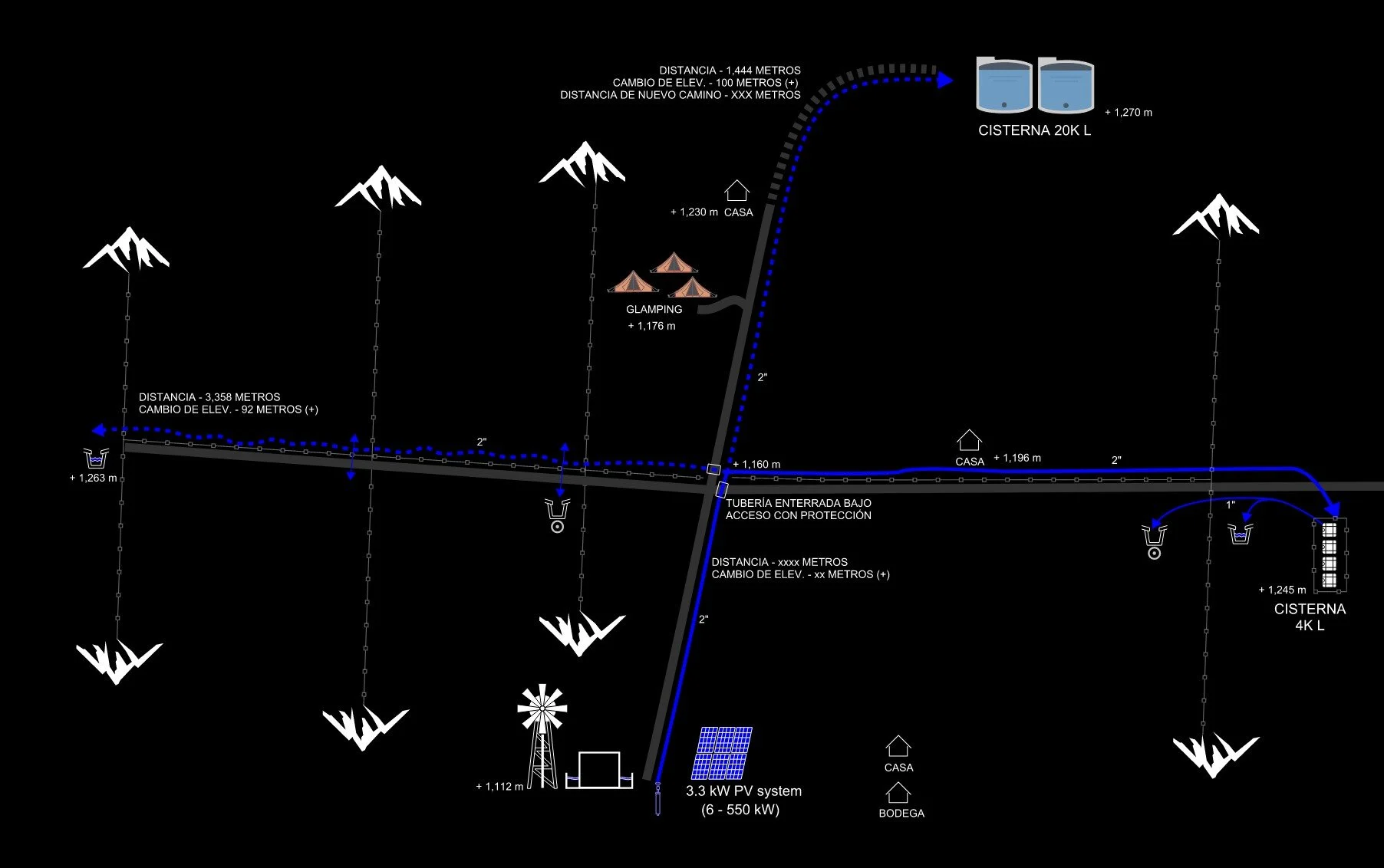
«<Our approach here»>
PARTNERSHIPS
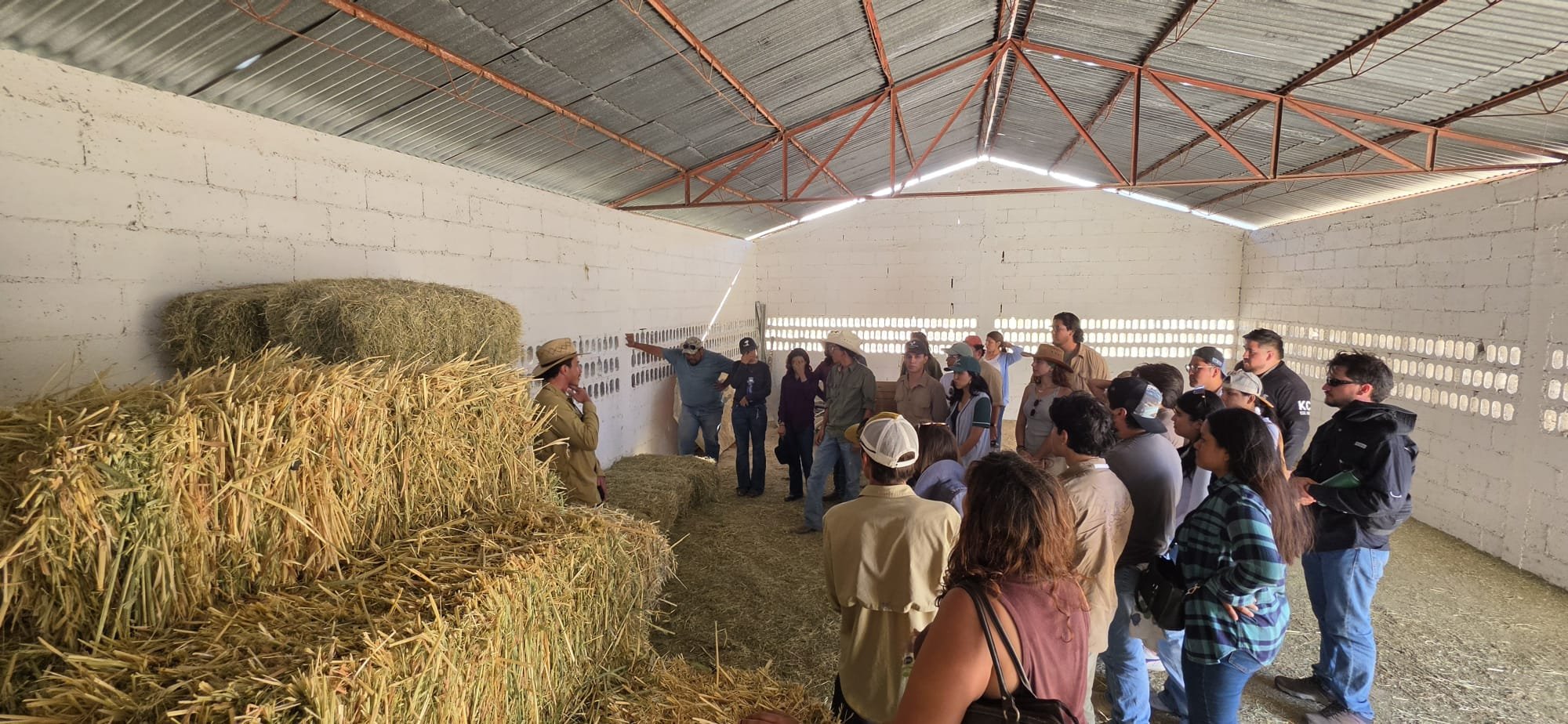
Early 2026, I was invited to National Bison Association’s Bison Beyond Borders conference in San Antonio, Texas - a week-long gathering organized by Indigenous Led and the Texas Tribal Buffalo Project. I attended with Pro Cuatrociénegas. We were the only Mexican organization there. It wasn't a conference in the usual sense. It was raw. A week of ceremony, history, hard practical talk, and laughter, all in the same space. You can't separate the bison from the people, or the people from the land and water - and they didn't try to.
I went to learn about water. In Cuatrociénegas, everything comes back to water. I spent the week asking how other communities are planning for it - how a herd changes water on the landscape, how you think about carrying capacity not just as numbers, but as where water sits and holds. And the part people don't write down often enough: what it actually takes to start a small herd. The water you have to secure first.
Being the only group from Mexico, I felt the border and I felt how thin it is. The same aquifer story, the same work to keep water in the ground, just in a different language. Watching these Tribal herds return after everything that happened - it makes you think differently about what restoration is for.
I left with a different sense of scale. “How much does a bison’s heart weigh?”